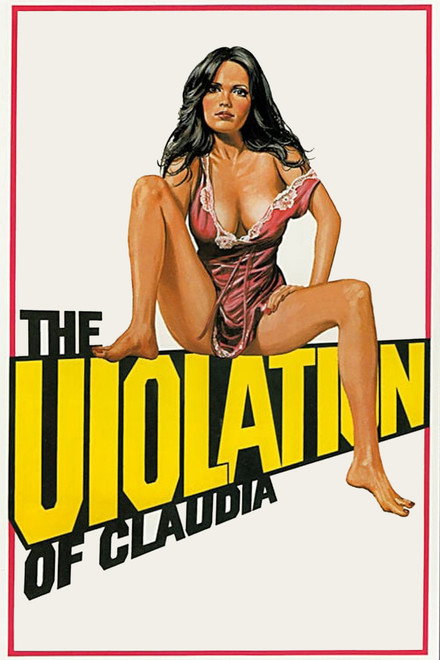
The Violation of Claudia
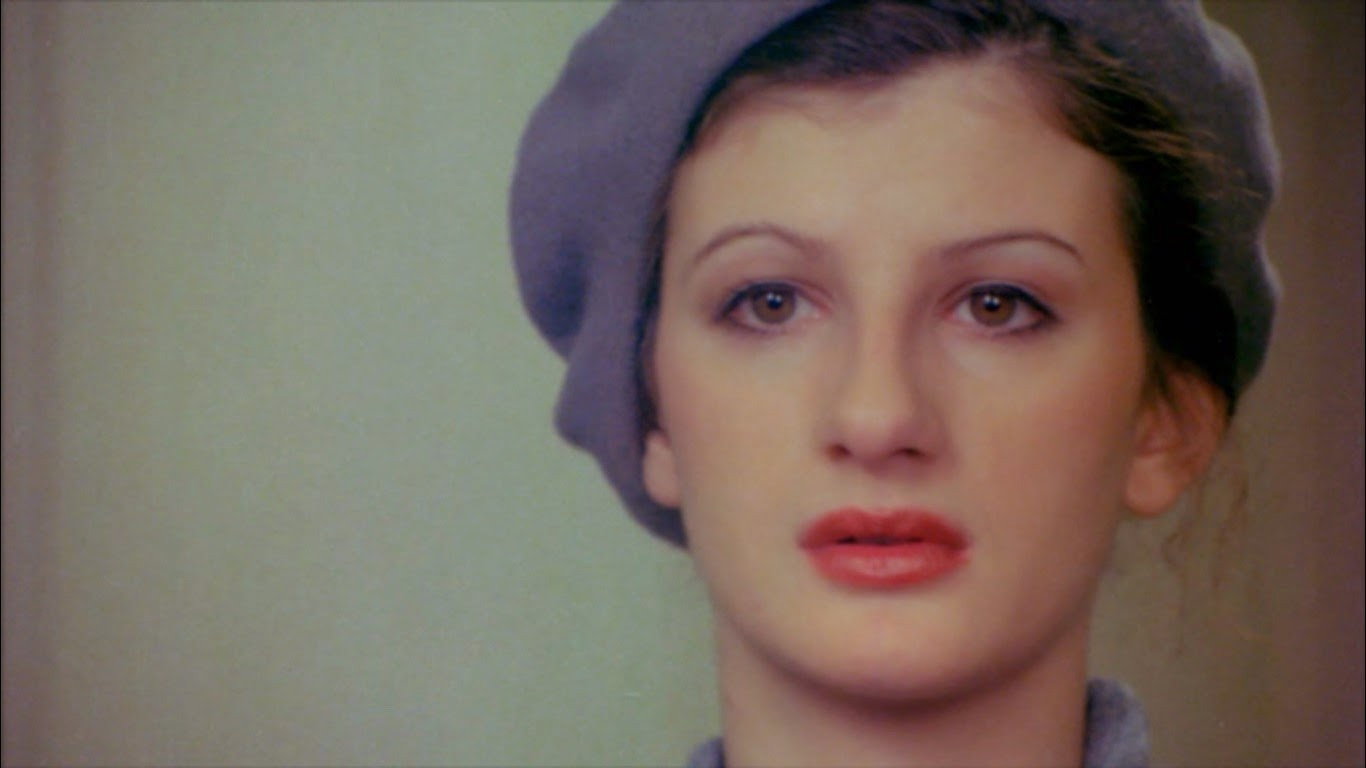
A tennis instructor leads a wealthy but neglected housewife into the world of prostitution.
Released:
Jun 01, 1977
Runtime:
64 Minutes
Genre:
Production:
Director:
Country:
Language:
Keywords:
Watch The Violation of Claudia Online Free
The Violation of Claudia Online Free
Where to watch The Violation of Claudia
The Violation of Claudia movie free online
The Violation of Claudia free online
The Violation of Claudia movie download
The Violation of Claudia free stream
The Violation of Claudia hd download
free watch The Violation of Claudia
The Violation of Claudia online watch
The Violation of Claudia watch free online
Casts
Reviews
Martin Oaks
**Shadows and Jazz-Funk** The cinematic debut of acclaimed cult director William Lustig (signing here under the pseudonym "Billy Bagg"), a filmmaker formally cited by Quentin Tarantino as "one of his favorite directors" (which, I still don't know if it's a good thing, a bad thing, or quite the opposite). The great Sam Raimi has always recognized Lustig as one of his major visual influences. Moreover, Dario Argento has collaborated closely with him within the context of the Italian "Giallo" subgenre. Truth be told, this guy's talent is instantly visible in The Violation of Claudia, one of the most elegant, ingenious, and surprising gems of the so-called "Golden Age" of adult cinema (1970-1985). Lustig—who would later give us exploitation classics like Maniac or Maniac Cop—crafts an astute and clever formal homage to Luis Buñuel's Belle de Jour (1967). Claudia is a young, wealthy New York housewife trapped in apathy and loneliness due to the constant neglect of her husband—a man older than her, who is always too busy to attend to her intimately. Seeking an escape route, Claudia begins taking tennis lessons with Kip (the great Jamie Gillis), a charismatic and manipulative character. Sensing Claudia's vulnerability, he seduces her and gradually introduces her into the sophisticated world of New York sex work, effectively becoming her pimp. What begins as a transgression transforms for Claudia into a journey of self-discovery and sexual liberation. Yet, just as she takes the reins of her own pleasure, circumstances take a surprising turn, revealing the true motive behind her husband's constant absence. Shot in the raw and cold New York City of 1977 on an absurdly low budget, the film immediately stands out from the commercial productions of its era thanks to an unusually polished camerawork that is deeply aware of cinematic idiosyncrasies. The movie feels like an independent neorealist film enriched by erotic scenes that are perfectly justified by the narrative. Indeed, right from the opening sequence, the hand of a director with true artistic vision becomes crystal clear.